Why Manga and Light Novels Need Different Translation
4 अगस्त 2026 को प्रकाशित · 7 मिनट का पठन
S M Arifuzzaman · Founder, TranslationAtlas
Manga translation and light novel translation solve different problems because the two formats impose different physical constraints. Manga has to fit dialogue into speech bubbles an artist already drew and can't reflow; light novels are prose, so a translator has roughly the same room to work with an English sentence that a novelist would.
If you've ever compared an official manga translation to a version a fan produced, or noticed that a light novel reads more like a full English book while its manga adaptation feels tighter and more clipped, you've already spotted the difference. It isn't inconsistency between translators. It's two formats running on genuinely different rules.
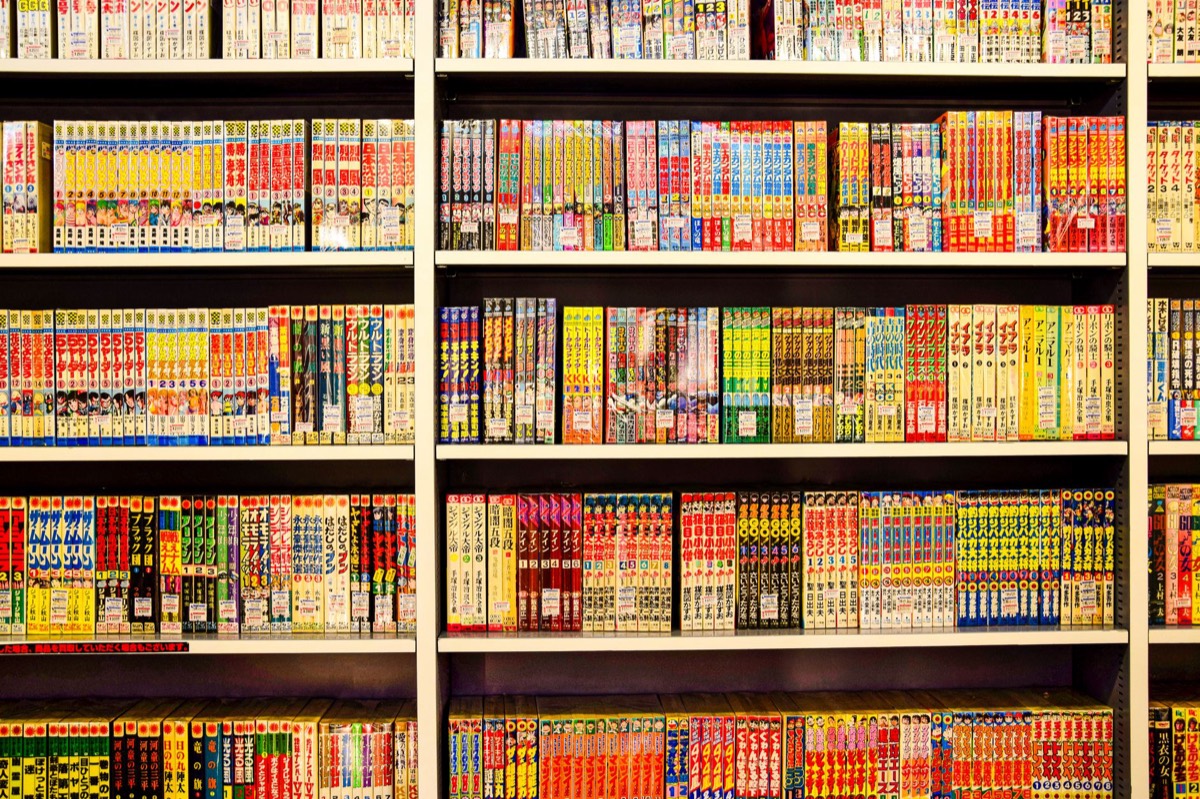
Manga: the art dictates the words
A manga page is finished artwork before a translator ever sees it. The speech bubbles are a fixed size, the lettering has to fit inside them, and nobody is redrawing a panel to make room for a longer English sentence. That single constraint shapes almost everything about how manga gets translated.
Line length is a hard limit, not a style preference. A Japanese sentence that reads compact in its native script can run noticeably longer once it's rendered in English, so the translator is constantly compressing meaning to fit a bubble that was never designed with English in mind. Something has to give, and it's usually a qualifier or a repeated word, not the core meaning of the line.
Sound effects are their own fight entirely. Japanese onomatopoeia is dense and specific, with different words for a soft impact, a hard impact, or even a tense silence, and English simply doesn't have a matching vocabulary. Publishers handle it three different ways: translate the sound effect into an English equivalent, leave the original Japanese lettering in place and add a small subtitle nearby, or leave it untouched entirely and trust the artwork to carry the moment on its own. None of these is universally correct. It's a house-style decision each publisher makes once and then applies consistently across an entire series.
Honorifics like -san, -kun, and -sensei get kept or dropped by convention rather than by rule. Some official English releases retain them because they carry real social information the story leans on, teacher versus student, boss versus junior colleague, in ways a flat English name doesn't capture. Others drop them for a cleaner, more naturalized read aimed at readers who've never encountered them before. Either choice is defensible on its own. What actually matters is that a series stays consistent with itself from volume to volume, so a reader isn't relearning the convention every book.
None of this measures the translator's skill at English prose in isolation. It measures how well they solve a puzzle inside a frame that was locked in place before they ever opened the file.
Light novels: more room, a different pressure
Light novels are text, so a translator has roughly the same flexibility a literary translator would bring to any novel: full sentences, no bubble limits, room to carry voice and style across a chapter instead of compressing it line by line. That freedom comes with its own pressure, though. Light novels lean heavily on internal monologue and a specific narrative register, often first-person, often conversational, sometimes deliberately over-the-top, and getting that voice wrong is far more noticeable over three hundred pages than it would be inside a single manga bubble.
The other pressure is series consistency at scale. Light novels frequently run a dozen or more volumes with recurring invented terminology: magic systems, organization names, character titles that carry plot weight. A translator working on volume seven needs the exact same termbase used on volume one, or long-time readers notice immediately when a familiar term suddenly reads differently for no in-story reason. This is the same discipline agencies apply to any long-running technical or legal project: a maintained glossary that outlives any single translator's personal memory of earlier decisions.
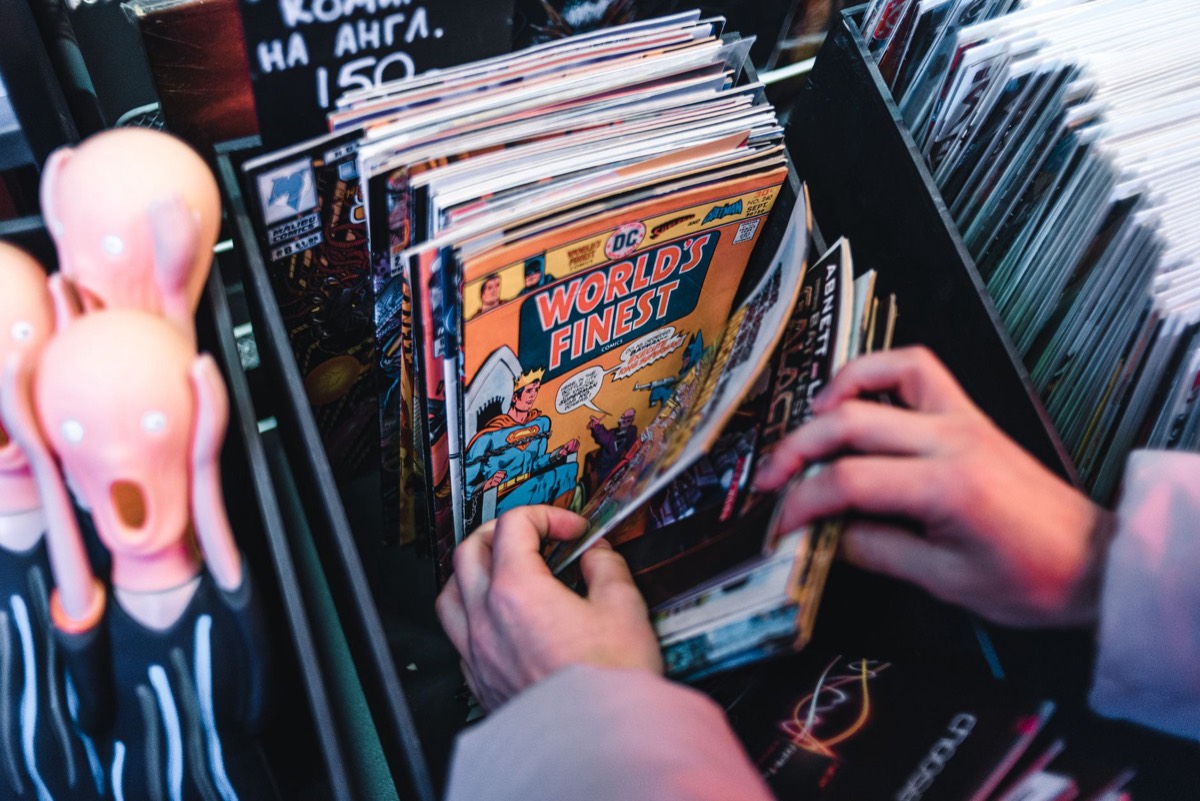
Why official localizations read differently from a literal rendering
A strictly literal, word-for-word pass of a manga script usually reads stiff and slightly off. The sentence rhythm doesn't match how the character would actually talk in English, jokes land flat, and honorific-heavy dialogue can feel over-explained to a reader who doesn't need the footnote. Official localizations deviate from the literal version on purpose, for the same reason any translation adapts cultural references instead of transcribing them: what matters is the effect a line has on the reader, not a mechanical match in word count.
This is the same underlying reason two people can translate the same book and produce genuinely different, both legitimate results. A manga localizer deciding whether to keep an honorific or drop it, or whether to localize a joke or footnote it instead, is making the same kind of interpretive call a literary translator makes on any prose text, just working inside a speech bubble instead of a page margin.
Why the two formats sometimes use different translators entirely
Publishers often staff manga and light novel adaptations of the same series with different translators, and it's not just a scheduling convenience. The skill sets don't fully overlap. A manga translator needs an editor's instinct for compression, the ability to cut a line down to its essential beat without losing the joke or the emotional weight, plus a working knowledge of how lettering software handles line breaks inside a bubble. A light novel translator needs sustained prose control across hundreds of pages: pacing a character's internal voice, keeping a first-person narrator's rhythm consistent chapter after chapter, and managing exposition that a manga page would simply show you in a single panel instead of describing in a paragraph. Someone strong at both exists, but it's a genuinely different daily task, closer to the difference between subtitling a film and translating its novelization than most readers assume.
That split also explains why terminology can drift between a series' manga and light novel editions even when both are officially licensed. Different translators, different house style guides, sometimes different publishers entirely if rights were sold separately. It isn't necessarily an error. It's two teams solving the same source material inside two different formats, each with its own internal consistency to protect.
A note on fan translation
Fan translations and scanlations exist in enormous volume, and plenty of readers encounter a series through them long before an official release exists at all. We won't pretend otherwise. But they're produced outside any consistency process, editorial review, or licensing relationship with the original creator, which is exactly why an official, licensed release, with an editor, a maintained glossary, and real accountability to the source, is the version worth trusting for anything beyond a first casual look. If you're publishing or licensing translated work yourself, the same standard applies on your side too: a studio with a genuine revision process, not a single freelancer racing a deadline alone.
If your project has the same constraints
Fixed layouts, character limits, and terminology that has to stay locked across dozens of files aren't unique to manga. App strings, packaging copy, and UI localization all fight a version of the same battle. If that describes your project, get an instant quote and mention the format up front; it changes how we brief the translator and what tools we set up before work even starts.
S M Arifuzzaman
Founder, TranslationAtlas
S M Arifuzzaman founded TranslationAtlas and built its certified-translation fulfillment process and professional translator network, which now covers 120+ languages. He oversees quality and turnaround across every order the platform processes.
संबंधित लेख
How to Know If a Translation Is Complete or Abridged
Abridged translations rarely announce themselves. Here's how to check page counts, credit wording, and edition notes before you trust a translation is whole.
Translation Philosophies: Literal vs. Free Explained
Word-for-word or sense-for-sense, domesticate or foreignize: the theories that shape how a translator decides what to keep and what to change.
Finding Professional Translators in Niche Genres
Patent claims, gaming lore, poetry, theology: niche translation needs a specialist, not a generalist. Where to find one and how to vet them before you pay.
Why Translations of the Same Book Read Differently
Two translators working from the same original text can produce two very different books. Here's why that happens and how to pick the version worth reading.