How Translators Handle Names and Proper Nouns
2026年8月4日公開 · 読了時間7分
S M Arifuzzaman · Founder, TranslationAtlas
Translating names correctly means matching the exact spelling already on the person's passport or official ID, not producing a fresh phonetic transliteration. Company names, brand names, and most place names stay in the original language too. The exceptions, popes, monarchs, and a handful of historical figures, are narrow and well established.
It sounds like the simplest part of a translation job. In practice it isn't. Names sit at the intersection of linguistics and bureaucracy, and getting one wrong on an official document causes more real-world trouble than almost any other kind of translation error, precisely because it's the detail readers assume nobody could get wrong.
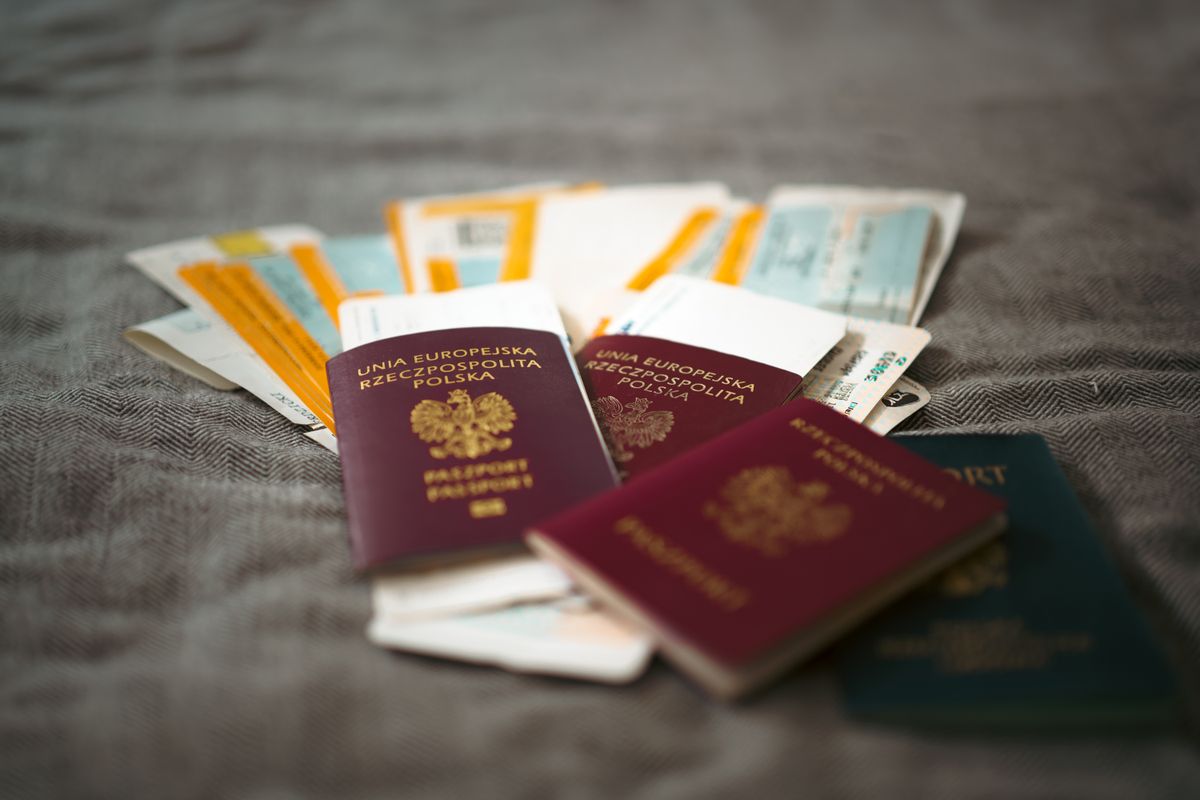
Why does the passport spelling matter more than the "correct" transliteration?
For a document going to an embassy, a court, or an immigration office, the operative question isn't which transliteration is most linguistically accurate. It's which one matches every other document already sitting in your file. A birth certificate that renders your name one way while your passport renders it another creates a mismatch, and mismatches are one of the most common reasons an official body returns a filing and asks for a correction before it will proceed.
We ask new clients for a copy of their passport or an existing visa specifically to lock the name spelling before translation starts, not after. If you've already got an official transliteration on file somewhere (a prior visa, a green card, a driver's license), send it over first. Fixing an inconsistent name spelling across two or three already-certified documents after delivery costs everyone more time than catching it up front, and it's the single easiest error in the entire process to avoid.
Why do multiple "correct" spellings exist for the same name?
Names in non-Latin scripts get rendered into Latin letters through a transliteration system, and several competing systems can produce different, equally defensible results from the same source name. Mandarin names transliterated under pinyin, the mainland Chinese standard adopted in the 1950s, look different from the older Wade-Giles system still found on some older documents and commonly used in Taiwan. A surname like 李 becomes "Li" under pinyin but might appear as "Lee" on an older passport, or simply reflect a spelling a family has used in English for generations regardless of which system technically governs it.
Cyrillic presents the same problem from a different angle. Russian, Ukrainian, and Bulgarian names transliterated into English vary depending on which national romanization standard gets applied, and Russian names in particular carry a well-known quirk: "Yuriy," "Yuri," and "Iurii" can all be defensible renderings of the same underlying name, none of them wrong in isolation. What matters for an official document is consistency with what's already been issued to that person, not theoretical correctness, which is exactly why we ask for source documents rather than transliterating a name from scratch every single time it appears.
What happens to place names? Do they change historically?
Place names split into two camps: the current, internationally recognized name, and a historical or alternate name that may still appear on an older document. A birth certificate issued decades ago might list a city under a name it no longer officially carries today, a common situation across parts of Central and Eastern Europe and in countries that renamed cities after independence or major political change. The standard approach is to translate the place name exactly as it appears on the source document, sometimes noting the current name alongside it for clarity, rather than silently updating history to match today's atlas.
This comes up constantly in birth certificate translation, where the place of birth listed decades ago genuinely no longer matches a current map. Quietly "correcting" it isn't accuracy; it's altering the historical record the document exists to preserve. The translator's job is to render faithfully what the document actually says, not what a modern reader might expect to see.
Do company and brand names get translated?
Almost never. A company's registered legal name stays in its original language and script, because translating it would effectively invent a different legal entity on the page than the one that actually exists. The same logic applies to brand names and trademarks: Deutsche Bank doesn't become "German Bank" in an English translation, and a Japanese company's registered name stays in its original form exactly as filed with the relevant corporate registry. Where it genuinely helps the reader, a translator adds a bracketed clarification, a literal gloss, the first time the name appears, without altering the name itself anywhere else in the document.
Titles and honorifics get more nuanced treatment than either names or company names. A professional title like Doctor, Professor, or Judge usually gets translated to its closest functional equivalent, since the reader needs to understand the person's actual role. Formal honorifics tied to language-specific social systems, Japanese -san or -sama being the clearest example, typically get dropped or replaced with a functional English equivalent instead of transliterated, since English simply doesn't have an honest equivalent for the exact social register those honorifics carry.
So when is a name actually translated?
There's a small, well-established set of exceptions where names do get translated rather than transliterated: popes (Pope Francis, not a transliteration of the Italian form), reigning monarchs and some historical royalty (King Charles rather than a French or Spanish rendering in an English document), and a handful of historical and literary figures whose translated names are simply how English-language readers already know them, Christopher Columbus rather than Cristoforo Colombo being the standard example. These are conventions built up over centuries of publishing and diplomacy, not a rule a translator applies broadly on their own judgment. Outside that narrow, specific list, a living person's name stays exactly as spelled on their own official documents, full stop.
What should you check before submitting your documents?
If you're assembling a filing with several translated documents, whether that's for a visa, a court case, or an academic application, the fastest way to avoid a correction request later is a quick pass on names before submission. Confirm every document spells your name identically. Confirm any place names match what's on the underlying original, not a modern guess. And if you know a name has an established English spelling already used on your other paperwork, flag it before translation starts rather than after.
If you're working on something like a certified translation for USCIS, name consistency across every document in your filing is worth confirming before you submit, not after a request for evidence comes back asking for a correction. Upload your documents for a certified translation quote and we'll confirm the name spelling against your passport before the project starts, so everything in your filing matches from the first page to the last.
S M Arifuzzaman
Founder, TranslationAtlas
S M Arifuzzaman founded TranslationAtlas and built its certified-translation fulfillment process and professional translator network, which now covers 120+ languages. He oversees quality and turnaround across every order the platform processes.
関連記事
What to Know Before Commissioning a Translation
A practical checklist for commissioning a translation: which files to send, what to state up front, and the questions a good agency will ask you first.
How Translators Preserve Voice and Style
Voice and style in translation means matching register, rhythm, and sentence patterns, not just meaning. Here's how professional translators do it.
Why Translations of the Same Book Read Differently
Two translators working from the same original text can produce two very different books. Here's why that happens and how to pick the version worth reading.
How to Tell a Translator Understands the Source Material
Being bilingual isn't the same as understanding a contract, a diagnosis, or a patent claim. Here's how to check a translator actually knows the subject.